Sunlight has always been a powerful, life-giving force for me. When I first learned about the importance of early morning sunlight exposure, especially how it directly impacts our circadian rhythm, I was fascinated.
Over the years, this might be one of the most important rituals to incorporate in my own life.
I’ve come to realize that proper sleep is one of the most vital components of health—impacting longevity, mental clarity, and overall well-being. Morning sunlight isn’t just about waking up; it’s about resetting our internal clock, improving mood, and supporting long-term health.Through my own journey, I’ve experienced firsthand how exposure to early morning sunlight has transformed my energy levels, sleep quality, and emotional balance. That’s why I incorporate this knowledge into my holistic practice, helping others harness the natural rhythms of light to optimize their well-being.
What Is the Circadian Rhythm?
Sunlight is one of the most powerful forces that regulate our internal biological clock. The circadian rhythm, often referred to as the body's internal clock, governs our sleep-wake cycle, hormone release, metabolism, and overall well-being. This rhythm is heavily influenced by natural light exposure, particularly the quality and timing of that exposure. Early morning sunlight, low on the horizon, provides the ideal spectrum of light to signal the brain that it's time to be awake and alert. By receiving sunlight directly into the eyes within the first hour of waking, the body synchronizes its internal clock, promoting optimal sleep, mental clarity, and sustained energy levels throughout the day. In contrast, disruptions from artificial light at night or insufficient natural light in the morning can lead to sleep disturbances, hormonal imbalances, and a weakened immune system.
Why Morning Sunlight Matters
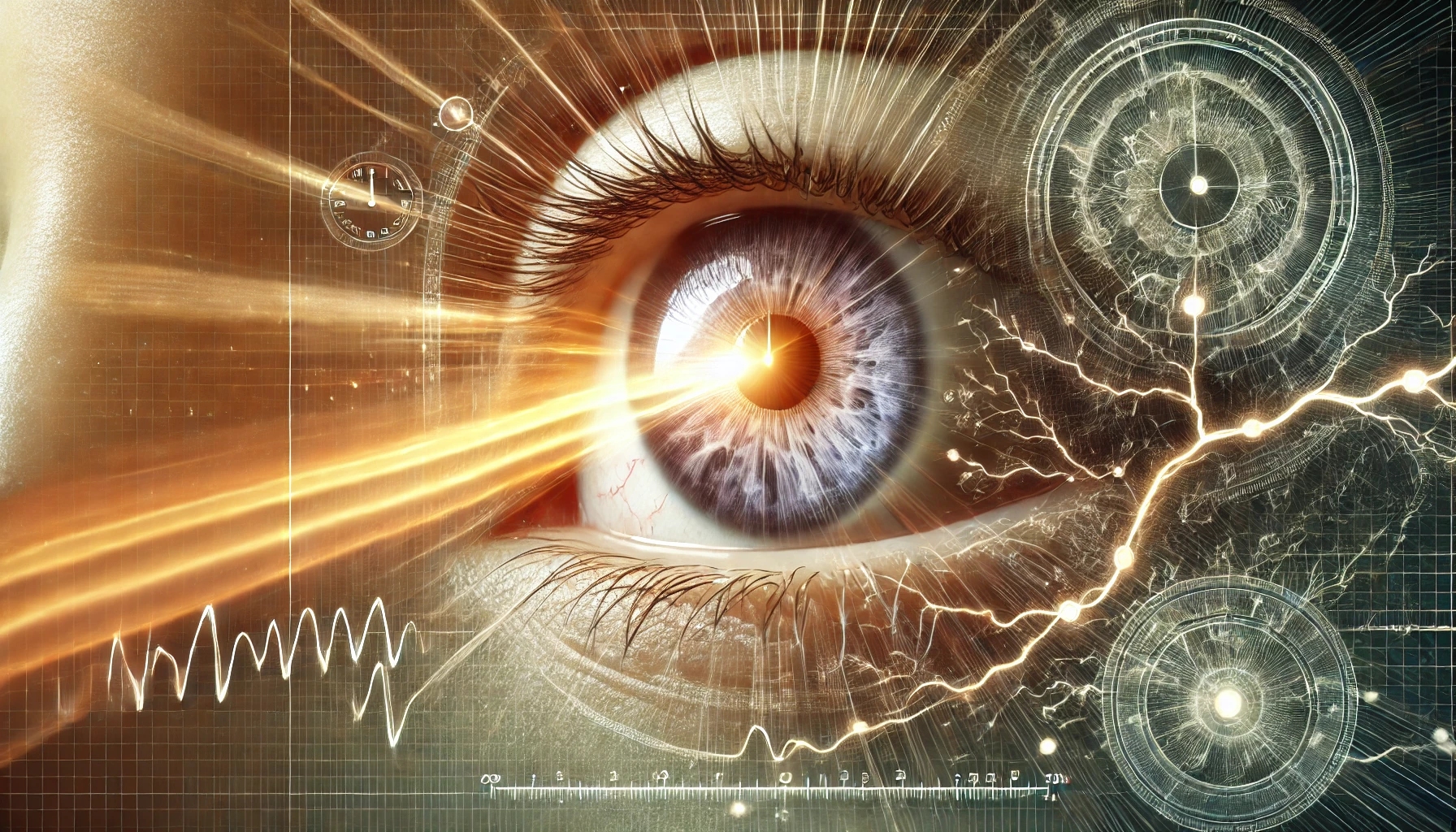
Morning sunlight is rich in short-wavelength blue light, which plays a critical role in signaling to the brain that it’s time to wake up and be alert. When light enters the eye, it reaches specialized photoreceptors called intrinsically photosensitive retinal ganglion cells (ipRGCs). These cells are directly linked to the suprachiasmatic nucleus (SCN), the master clock in the hypothalamus that regulates circadian rhythms.
Why does direct morning sunlight at a low angle matter?
- Lower Solar Angle and Balanced Light Spectrum – When the sun is low on the horizon, the light contains a natural blend of blue and red wavelengths, which stimulates wakefulness while being less likely to cause overstimulation. Unlike artificial blue light from screens, this natural exposure helps set a strong biological rhythm without disrupting evening melatonin production.
- Triggers Cortisol Awakening Response (CAR) – Direct morning sunlight exposure signals the adrenal glands to release cortisol in the right amounts, helping with energy regulation and immune function. This natural increase in cortisol upon waking leads to greater alertness and sustained energy throughout the day.
- Regulates Melatonin Production – Early sunlight exposure suppresses melatonin (your sleep hormone) at the right time in the morning, ensuring it is produced at the correct time in the evening, leading to better sleep quality and improved nighttime restfulness.
- Influences Dopamine and Serotonin – The presence of infrared and blue light together in the morning helps trigger the production of serotonin, a precursor to melatonin, which not only supports sleep but also boosts mood, mental clarity, and emotional well-being.
- Enhances Retinal and Brain Health – Natural light helps maintain the health of photoreceptors and the optic nerve, reducing eye strain and potentially protecting against conditions like seasonal affective disorder (SAD) and circadian rhythm dysfunctions.
Benefits of Morning Sunlight for Your Well-Being
- Regulates Sleep Patterns – Proper morning light exposure supports a healthy sleep-wake cycle, leading to deeper and more restorative sleep at night.
- Boosts Mood and Mental Clarity – Natural light exposure in the morning increases serotonin production, improving mood and focus throughout the day.
- Enhances Energy Levels – Sunlight exposure triggers cortisol production in the right amounts, promoting natural wakefulness and sustained energy.
- Supports Metabolism and Digestion – A well-regulated circadian rhythm helps maintain hormonal balance, which plays a role in digestion and weight management.
- Reduces Stress and Anxiety – Aligning with natural light patterns helps calm the nervous system, reducing stress hormones like cortisol when they are not needed.
- Strengthens Immune Function – Exposure to natural light supports immune regulation and cellular repair processes, keeping your body resilient.
How to Incorporate Morning Sunlight Into Your Routine
- Step Outside Within an Hour of Waking – Aim to get at least 10–20 minutes of direct sunlight without sunglasses (indirect light through windows is less effective).
- Face the Sun at a Low Angle – Look toward (but not directly at) the sun when it is near the horizon to maximize the proper wavelength exposure.
- Engage in Outdoor Activities – Take a short walk, stretch, or enjoy your morning tea or coffee outside.
- Pair Sunlight Exposure with Breathwork – Practicing deep, intentional breathing while absorbing morning light can further enhance relaxation and energy alignment.
- Avoid Bright Artificial Light at Night – Reducing blue light exposure in the evening (from screens and LED lights) helps maintain a strong circadian rhythm.
Metamorphosis Holistic Practice and Circadian Health
At Metamorphosis Holistic Practice, we integrate natural cycles into our healing modalities. Whether through guided breathwork, energy balancing, or bodywork treatments, we help clients realign with their innate rhythms for optimal health. Understanding and harnessing the power of natural light is a fundamental step in reclaiming balance and vitality in everyday life.
Embrace the healing power of the sun—start your day with morning light and feel the transformation within.