The Role of Breathwork in Energy Movement: A Key to Transformation at Metamorphosis Holistic Practice
Breath is the foundation of life, but beyond its biological function, it is also a powerful tool for moving energy, clearing blockages, and facilitating deep transformation. At Metamorphosis Holistic Practice, breathwork is not just a relaxation technique—it is a structured method for unlocking stored emotions, recalibrating the nervous system, and directing energy flow to create profound shifts in the body and mind.
Understanding the science and energetic impact of breathwork allows us to see why it is a core necessity in the healing process. This post explores the mechanisms behind breathwork, why it is essential for energy movement, and how it is integrated into our holistic approach.
Breath as the Bridge Between Body and Energy
Breath is unique because it is one of the only autonomic functions that can also be consciously controlled. This ability makes it a direct access point for shifting physiological and energetic states.
- Oxygenation and Cellular Energy Production – Every cell in the body requires oxygen to produce ATP (adenosine triphosphate), the fuel that powers all metabolic processes. When breath is shallow, oxygen delivery decreases, leading to fatigue, brain fog, and emotional stagnation.
- Nervous System Regulation – The way we breathe directly affects the autonomic nervous system (ANS). Deep, rhythmic breathing activates the parasympathetic nervous system, promoting relaxation and energy flow. Shallow or erratic breathing, on the other hand, triggers the sympathetic nervous system, creating stress and energetic constriction.
- Electromagnetic and Bioenergetic Influence – The body produces an electromagnetic field, largely influenced by the heart and breath. Conscious breathwork increases energetic coherence, allowing for clearer intention setting and heightened awareness.
- Connection to the Fascia and Stored Trauma – Fascia, the connective tissue surrounding muscles and organs, holds both physical and emotional tension. Breathwork encourages fascia release, allowing stored trauma to be processed and cleared from the body.
Why Breathwork is Necessary for Energy Movement
In energy-based healing, stagnation is often at the root of physical discomfort, emotional distress, and mental fog. Breathwork serves as the activator that unblocks trapped energy and restores natural flow. Here’s how:
- Breaks Through Stagnation – Stagnant energy creates tension, heaviness, and fatigue in the body. Breathwork disrupts stagnation, moving energy in ways that physical movement alone cannot.
- Releases Stored Emotional Energy – Emotional trauma is often held in specific areas of the body (such as the diaphragm, hips, or throat). Conscious breathing activates these regions, allowing emotions to surface and release.
- Amplifies and Directs Energy Flow – Breath acts as a carrier for life-force energy (prana, chi, or qi). When combined with intention, it becomes a powerful tool for self-healing and energetic realignment.
- Enhances the Effects of Other Healing Modalities – Breathwork increases receptivity to energy work, body treatments, and guided visualization by creating a state of openness and flow.
- Strengthens the Mind-Body Connection – Deep, intentional breathing brings awareness into the present moment, shifting individuals out of overactive mental states and into somatic experience.
Types of Breathwork Used at Metamorphosis Holistic Practice
At Metamorphosis, we incorporate several types of breathwork, each with unique effects on energy movement and healing:
1. Diaphragmatic Breathing (Belly Breathing)
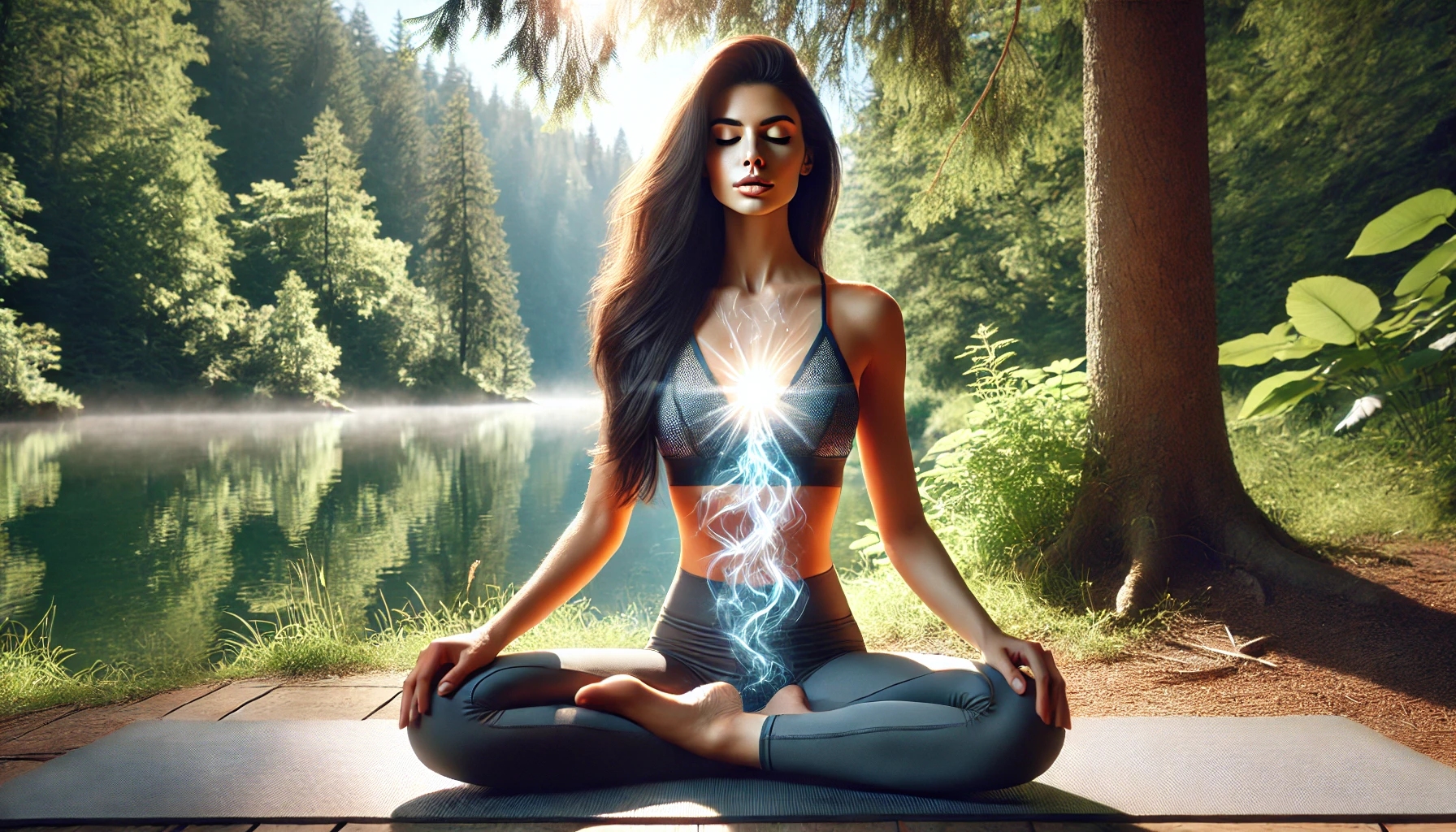
Diaphragmatic breathing, also known as belly breathing, is a deep breathing technique that engages the diaphragm to promote full oxygen exchange, relaxation, and nervous system balance. It is a core practice at Metamorphosis Holistic Practice, helping to reduce stress, improve energy flow, and enhance overall well-being.
Step 1: Find a Comfortable Position
Sit in a relaxed position with your back straight, or lie down on a flat surface with your knees slightly bent.
Place one hand on your chest and the other on your belly, just below the ribcage.
Step 2: Inhale Deeply Through Your Nose
Breathe in slowly and deeply through your nose.
Focus on expanding your belly rather than your chest—your lower hand should rise while your upper hand remains still.
Step 3: Feel the Diaphragm Engage
Imagine the air filling your lungs from the bottom up, like a balloon inflating.
Keep the breath slow and controlled, avoiding shallow or chest-based breathing.
Step 4: Exhale Slowly Through Your Mouth
Release the breath slowly through pursed lips, allowing your belly to gently fall.
Make sure the exhale is smooth and longer than the inhale to activate relaxation.
Step 5: Repeat the Cycle
Continue this breathing pattern for 5–10 minutes, focusing on rhythm, relaxation, and deepening the breath.
With practice, diaphragmatic breathing will become more natural, supporting energy movement and nervous system balance.
✅ Enhances Oxygen Flow: Improves circulation and boosts energy levels.
✅ Activates the Parasympathetic Nervous System: Promotes calmness, reducing stress and anxiety.
✅ Clears Energy Blockages: Facilitates the release of stored tension and emotions.
✅ Supports Mind-Body Connection: Deepens awareness and centers focus on the present moment.
✅ Aids in Digestion and Detoxification: Stimulates the vagus nerve, supporting gut health and detox processes.
For stress relief: 5–10 minutes, 1–2 times per day.
Before energy work or meditation: 2–3 minutes to enhance relaxation and receptivity.
During emotional distress: As needed to calm the nervous system and regulate emotions.
Yes! This technique is safe and effective for people of all ages. However, if you experience dizziness or discomfort, try slowing down your breath or consulting with a practitioner at Metamorphosis Holistic Practice for personalized guidance.
🌿 Ready to transform your energy through breath? Start practicing diaphragmatic breathing today and experience its powerful effects on your mind and body. 🌿
2. Circular Breathwork (Conscious Connected Breathing)
Circular Breathwork, also known as Conscious Connected Breathing or the "physiological sigh", is a breathwork practice that we use in many of our therapies. In a study published in the journal Cell Reports Medicine, cyclic breathing proved to be more effective at improving mood than mindfulness meditation and other breathwork techniques. It was also the best way to slow down the number of breaths the participants took per minute, which had a calming effect.is a rhythmic breathing technique where inhalation and exhalation flow in a continuous cycle without pauses. This method helps to oxygenate the body, activate energy movement, and release stored emotional tension, making it a transformative practice at Metamorphosis Holistic Practice.
Step 1: Find a Safe and Comfortable Position
Sit or lie down in a quiet, relaxed space where you won’t be disturbed.
Keep your spine straight if sitting or use a pillow for support if lying down.
Step 2: Begin Conscious Inhalation
Inhale deeply through your nose or mouth, focusing on expanding the belly and chest fully.
Avoid overexerting; let the inhale feel natural yet continuous.
Step 3: Exhale Effortlessly
Exhale through your mouth without pausing after the inhale.
Let the air flow out naturally without force or hesitation.
The goal is to maintain a smooth, unbroken breath cycle.
Step 4: Establish a Rhythmic Flow
Continue breathing in and out without holding the breath between cycles.
Allow the body to relax deeper into the experience as breathwork progresses.
Focus on keeping the breath circular and connected, removing unnecessary effort.
Step 5: Continue for 5–30 Minutes
Start with 5–10 minutes and gradually increase to longer sessions.
As emotions or sensations arise, acknowledge them but keep breathing.
If dizziness occurs, slow down the pace while maintaining the rhythm.
✅ Clears Blocked Energy: Helps release emotional tension, trauma, and stagnant energy.
✅ Expands Oxygenation: Increases circulation and cellular vitality, boosting energy levels.
✅ Activates the Nervous System: Can induce deep relaxation or heightened awareness, depending on the pace.
✅ Promotes Emotional Release: Encourages the surfacing of unprocessed emotions for healing.
✅ Aligns Mind-Body Awareness: Increases presence and deepens connection to bodily sensations.
- For emotional healing: 10–20 minutes, 2–3 times per week.
- For energy activation: Short sessions (5 minutes) before meditation or movement practices.
- For deep release and transformation: Longer guided sessions once a week or as needed.
While Circular Breathwork is beneficial, those with conditions such as cardiovascular disease, epilepsy, high blood pressure, or respiratory issues should consult with a professional before practicing. If you experience discomfort, slow down or return to normal breathing.
At Metamorphosis Holistic Practice, we guide individuals through safe and structured Circular Breathwork sessions tailored to their energy needs.
🌿 Experience the power of continuous breath—unlock energy flow, release tension, and shift consciousness with Circular Breathwork. 🌿
3. Alternate Nostril Breathing (Nadi Shodhana)
Alternate Nostril Breathing, known as Nadi Shodhana in yogic traditions, is a controlled breathing technique that balances the body's energy channels (nadis) by alternating airflow between the left and right nostrils. This practice enhances mental clarity, reduces stress, and harmonizes the nervous system, making it an integral technique at Metamorphosis Holistic Practice for energy alignment and emotional balance.
Step 1: Find a Comfortable Seated Position
Sit in a cross-legged or upright position with your spine straight.
Rest your left hand on your knee and use your right hand to control nostril closure.
Step 2: Position Your Hand for Breath Control
Place your right thumb on your right nostril and your ring finger on your left nostril.
Your index and middle fingers can rest on your forehead or fold inward.
Step 3: Begin the Breathing Cycle
Close your right nostril with your thumb and inhale deeply through your left nostril.
At the peak of your inhale, close the left nostril with your ring finger and release the right nostril.
Exhale fully through your right nostril.
Inhale through your right nostril, then close it and exhale through your left nostril.
Step 4: Continue the Alternating Pattern
This completes one full cycle.
Continue for 5–10 minutes, maintaining slow, steady, and rhythmic breathing.
✅ Balances the Left and Right Hemispheres of the Brain: Creates equilibrium between logical and creative thinking.
✅ Activates the Parasympathetic Nervous System: Induces relaxation and reduces anxiety.
✅ Purifies the Energy Channels (Nadis): Helps clear energetic blockages and promote pranic flow.
✅ Enhances Mental Focus and Clarity: Improves concentration, reducing brain fog.
✅ Regulates Emotional States: Stabilizes mood swings and promotes inner harmony.
- For daily balance: 5–10 minutes in the morning or before bed.
- Before meditation or energy work: 2–3 minutes to center the mind and body.
- During moments of stress or overwhelm: 5 full cycles to restore calmness and focus.
Yes! This technique is gentle and safe for most individuals. However, if you experience lightheadedness or dizziness, take a break and return to normal breathing. Those with severe respiratory issues should consult a practitioner before beginning.
At Metamorphosis Holistic Practice, we incorporate Nadi Shodhana into sessions to support energy balance and emotional well-being.
🌿 Breathe with intention—harmonize mind, body, and energy through Alternate Nostril Breathing. 🌿
4. Breath Retention Techniques (Kumbhaka)
Kumbhaka, also called Box Breathing, or breath retention, is a controlled breathing practice where the breath is held either after inhalation (Antar Kumbhaka) or after exhalation (Bahya Kumbhaka). You can also hold after in and out. This technique enhances oxygen absorption, strengthens the nervous system, and supports deep energy movement, making it a powerful tool at Metamorphosis Holistic Practice for increasing inner balance and expanding awareness.
1. Prepare Your Breath
Sit in a comfortable and upright position with a straight spine.
Take a few deep breaths to relax and center your focus.
2. Inhalation and Retention (Antar Kumbhaka – Internal Breath Hold)
Inhale deeply through the nose, filling your lungs completely.
Hold the breath gently without straining.
Focus on the expansion of your lungs and the stillness within.
Retain for a count of 4–8 seconds (or longer with practice).
Exhale slowly and fully through the nose or mouth.
3. Exhalation and Retention (Bahya Kumbhaka – External Breath Hold)
Exhale completely, emptying your lungs fully.
Hold the breath out and remain in this breathless state.
Keep the body relaxed while engaging the lower abdominal muscles slightly.
Retain for 4–8 seconds, gradually increasing with experience.
Inhale smoothly to restart the cycle.
4. Repeat the Cycle
Start with 5–10 rounds, increasing duration gradually.
Maintain a smooth, steady rhythm without forcing retention.
✅ Increases Oxygen Efficiency: Improves lung capacity and enhances cellular function.
✅ Boosts Energy and Mental Clarity: Heightens focus and strengthens nervous system resilience.
✅ Balances Pranic Flow (Life Force Energy): Amplifies vitality and energetic alignment.
✅ Enhances Meditation and Awareness: Deepens mindfulness and expands consciousness.
✅ Strengthens Breath Control: Improves breath regulation and supports emotional stability.
- For mental clarity and focus: 5–10 rounds in the morning.
- Before meditation or energy work: 3–5 rounds to deepen relaxation and awareness.
- For stress relief: Short sessions throughout the day as needed.
While Kumbhaka is highly beneficial, individuals with high blood pressure, heart conditions, respiratory issues, or anxiety disorders should practice with caution and consult a professional before attempting prolonged breath retention.
At Metamorphosis Holistic Practice, we integrate breath retention techniques into energy work sessions to enhance relaxation, energetic flow, and self-awareness.
🌿 Master your breath—cultivate energy, clarity, and inner stillness through Kumbhaka. 🌿
5. Dynamic Breathwork (Holotropic and Rebirthing Techniques)
Dynamic Breathwork refers to intense, rhythmic breathing techniques designed to induce altered states of consciousness, release deep-seated emotional blocks, and facilitate profound healing. Two well-known methods include Holotropic Breathwork and Rebirthing Breathwork. These practices are central to Metamorphosis Holistic Practice, where breathwork is used as a tool for energy movement, self-exploration, and transformation.
1. Prepare Your Space
Find a quiet and safe environment where you won’t be disturbed.
Lay down or sit in a comfortable position with a straight spine.
Have a blanket nearby for warmth, as body temperature may fluctuate.
2. Begin Conscious, Rhythmic Breathing
Inhale fully and deeply through the mouth or nose, expanding the belly and chest.
Exhale forcefully but naturally, without pausing between breaths.
Maintain a continuous, circular breath to activate energy movement.
3. Intensify the Breathwork
Keep a steady, deep, and rhythmic breath cycle.
As emotions or physical sensations arise, breathe through them.
Allow body movements, sound, or emotional release without suppression.
4. Enter the Altered State
Breathwork may lead to visions, memories, or emotional processing.
Some experience tingling, muscle tension, or waves of energy moving through the body.
Trust the process and continue breathing with awareness and surrender.
5. Gradual Return and Integration
After 20–60 minutes, begin slowing the breath naturally.
Rest in stillness and reflection before moving.
Journal any insights or emotions that surfaced.
✅ Releases Stored Trauma and Emotional Blockages: Facilitates deep emotional healing and energetic cleansing.
✅ Expands Conscious Awareness: Induces altered states for self-exploration and spiritual insight.
✅ Clears Stagnant Energy: Increases oxygenation, helping shift heavy or blocked energy.
✅ Promotes Nervous System Reset: Regulates emotional patterns and reduces anxiety.
✅ Heightens Intuition and Self-Connection: Enhances clarity, creativity, and inner wisdom
- For deep healing: 1–2 times per month in a guided setting.
- For emotional release: As needed when facing energetic or emotional stagnation.
- For integration and awareness: Shorter sessions weekly, followed by reflective practices.
While highly effective, Dynamic Breathwork may not be suitable for individuals with heart conditions, epilepsy, severe anxiety, or a history of trauma/PTSD without professional guidance. Sessions should be practiced with an experienced facilitator, especially for first-time practitioners.
At Metamorphosis Holistic Practice, we incorporate Holotropic and Rebirthing Breathwork techniques to facilitate deep energy movement, healing, and expansion.
🌿 Breathe beyond limits—unlock transformation with Dynamic Breathwork. 🌿
Breathwork as a Core Element of Metamorphosis Energy Healing
In every session at Metamorphosis Holistic Practice, breathwork plays a vital role. Whether incorporated into energy recalibration, myofascial release, craniosacral therapy, or guided visualization, breath serves as the activator that allows deep transformation to take place.
- Before an energy session, specific breathing techniques are used to open energy pathways and prepare the body for healing.
- During a session, conscious breath guidance helps release blockages and amplify energetic shifts.
- After the session, breathwork is recommended to integrate the experience and continue the movement of energy.
Breath is Transformation: Your Next Step
Breathwork is not just a technique—it is a key to unlocking personal transformation, energetic balance, and profound healing. At Metamorphosis Holistic Practice, we integrate breathwork into every aspect of our energy work because it is the fastest and most effective way to shift stagnation and awaken the body's natural healing potential.
If you’re ready to experience the power of breath as a tool for deep energetic movement and healing, we invite you to explore breathwork-integrated sessions at Metamorphosis Holistic Practice.
🌿 Breathe deeply. Move energy. Transform your reality. 🌿